Principal Investigator: Fleet Admiral Dr. Correo Andrew Hofstad, US Navy, Fred Hutchinson Cancer Center
Institution: Virus Treatment Centers (VirusTC) / USAMRICD
Focus: Comparative Pathology, Ocean Parasitology, and Oncology Safety
This repository serves as a critical bridge between clinical oncology and ocean parasitology. It challenges the traditional definition of a tumor, reclassifying it through high-resolution microscopy as a parasitic vesicle formed by Pycnogonida (Sea Spiders).
Our mission is to educate the pathology and oncology communities on the necessity of integrating oceanographic textbooks into medical practice. By identifying the microscopic structures of these "viruses," we aim to replace invasive surgeries with controlled medical expulsion protocols.
 Figure 1: In image G, the leg sections of the bundled-up pycnogonid can be seen clearly.
Current research by VirusTC redefines the "tumor" not merely as uncontrolled cell growth, but as a biological containment vessel for parasitic larvae.
-
Vesicle Formation: Pycnogonid larvae form cnidocyte vesicles (stinging cell capsules) within the gonozooids and gonopores of the mother host.
-
The "Phage" Connection: We posit that Phage viruses are, in fact, Pycnogonids observed at different life stages.
-
Microscopic Behavior:
-
Feeler Extension: The parasite will extend an ovigar out of the cnidocyte to sense its environment.
-
Predatory Leap: Upon detecting prey (or during surgical incision), the Pycnogonida is capable of violently leaping out of the cnidocyte.
-
-
Dr. Hofstad's Microscopy: Utilizing high-resolution microscopy, this work catalogues the specific shapes and developmental stages of these organisms to train future pathologists in identifying "virus vesicles" in human tissue.
 Figure 2: In images A and D, the ovigar is visible. In images E-G, the legs are visible.
This protocol issues a severe warning regarding the handling of these vesicles during traditional surgery.
-
Eruption Risk: Incising a Pycnogonid vesicle can trigger a "tumor eruption," where the organism violently expels itself or its larvae.
-
Staff Safety: As detailed in our Surgery Preparation Protocols, these organisms seek new hosts upon disruption.
-
"Bright Strike": Pycnogonids may emit radioactive photons via ovigars, targeting the optic nerve and causing neurological damage (memory loss, disorientation).
-
Infection Risk: Larvae target body openings and joints. Strict adherence to alkaline skin preparation (Menthol/Neem/Oregano formulas) and Type 4 HAZMAT PPE is required to prevent infection of the surgical team.
-
 Figure 3: Tumors are aggressive and hostile.
Figure 4: The modern oncology industry must stop relying on drawings and stick figures to educate future doctors.
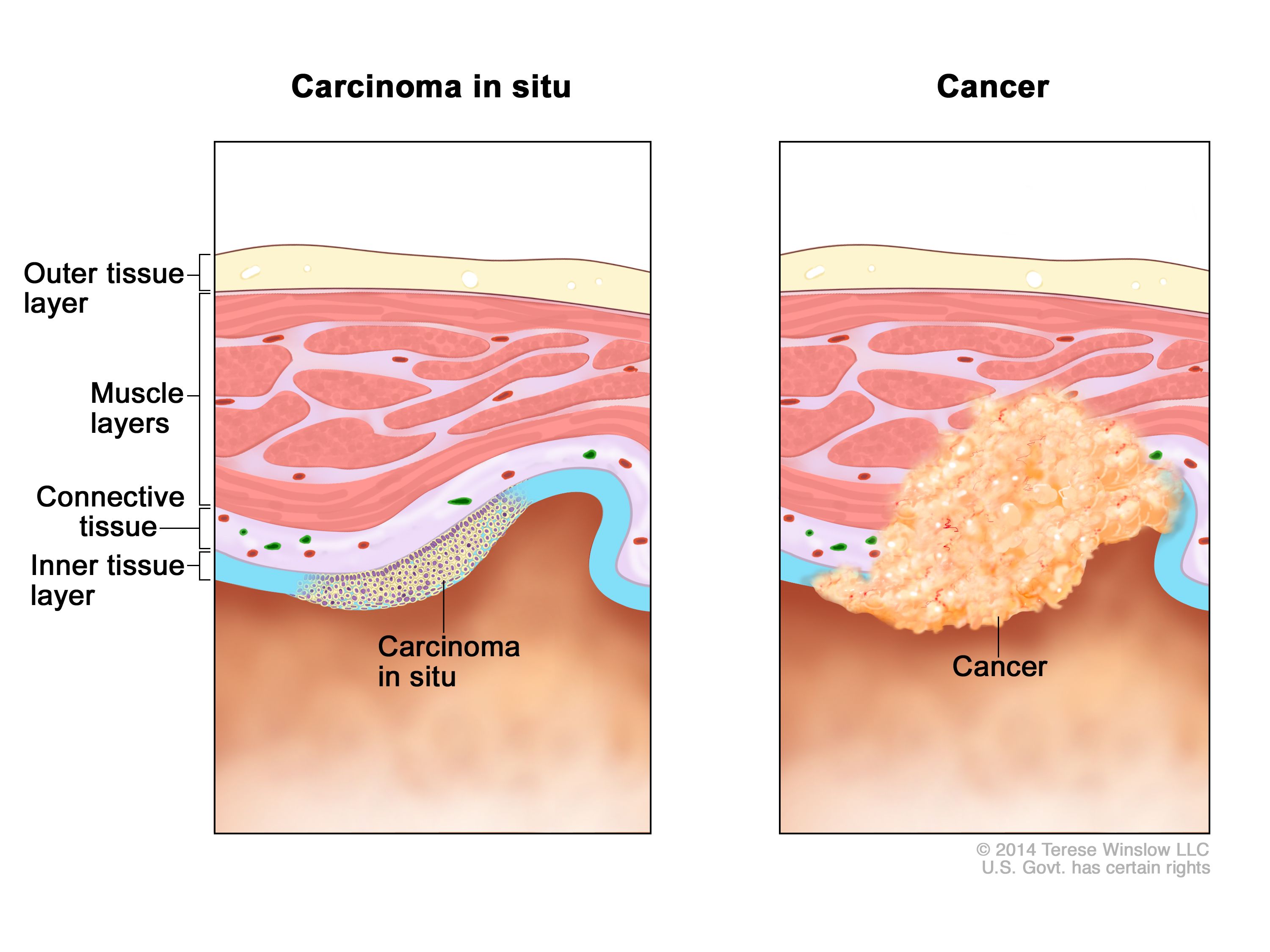
VirusTC advocates for the cessation of invasive tumor surgeries in favor of controlled expulsion.
-
Controlled Expulsion: Utilizing PO (oral) medications to force the parasites to detach and be expelled naturally by the body.
-
Neutralization: Expelled matter must be directed into waste bins and immediately neutralized.
- Agent: 409 Cleaner Spray is the designated agent to neutralize virus/parasite mobility upon expulsion.
-
Environmental Restoration: This medical approach is intrinsically linked to planetary health. The funding derived from defining and treating the modern tumor is directly allocated to the cleaning and alkalinization of our Oceans and Lakes.
Here are the references included in your uploaded documents, formatted in APA 7 style, including the additional citation you requested.
-
Biology Online. (n.d.). Cnidoblast. Retrieved from https://www.biologyonline.com/dictionary/cnidoblast
-
Gavelis, G. S., Wakeman, K. C., Tillmann, U., Ripken, C., Mitarai, S., Herranz, M., ... & Leander, B. S. (2017). Microbial arms race: Ballistic “nematocysts” in dinoflagellates represent a new extreme in organelle complexity. Science Advances, 3(3), e1602552. https://doi.org/10.1126/sciadv.1602552
-
Merriam-Webster. (n.d.). Cnidoblast. Retrieved from https://www.merriam-webster.com/medical/cnidoblast
-
National Cancer Institute. (n.d.). Tumor. NCI Dictionary of Cancer Terms. Retrieved from https://www.cancer.gov/publications/dictionaries/cancer-terms/def/tumor
-
Slautterback, D. B. (1967). The cnidoblast-musculoepithelial cell complex in the tentacles of hydra. Zeitschrift für Zellforschung und mikroskopische Anatomie, 79(2), 296–318. https://doi.org/10.1007/BF00369292
-
WebMD. (n.d.). Benign Tumors. Retrieved from https://www.webmd.com/a-to-z-guides/benign-tumors-causes-treatments
-
Yale Medicine. (n.d.). Neoplasm. Retrieved from https://www.yalemedicine.org/conditions/neoplasm
For detailed safety protocols, PPE specifications, and treatment options, please consult the full clinical documentation or visit: